Fentanyl Decontamination
Fentanyl decontamination of surfaces, vehicles and rooms after exposure.
See fentanyl decontaminationGet meth residue testing, decontamination, material removal and clearance steps for a home, rental, business or vehicle in Glasgow. Keep people out of affected areas until the property has been assessed.
Meth lab cleanup involves testing a contaminated home, vehicle, rental or business, taking out affected materials and cleaning residue from methamphetamine or chemicals used to produce drugs.
A property does not need to look dirty to have residue. Meth smoke can settle on walls, ceilings, floors, cabinets, appliances and personal property. A production site can also contain acids, solvents, salts, fuels and unknown mixtures. Those hazardous materials call for a careful assessment before anyone moves containers or starts ordinary cleaning.
Biohazard remediation needs to reflect both the property's testing results and the rules at its location. The affected zone is isolated by cleanup technicians using protective equipment. Uncleanable material comes out, while surfaces left in place are washed and the air system receives attention as needed. Post-remediation sampling shows if the applicable clearance level has been met in the tested areas.
A cleaning service should keep photos, scope notes, disposal documents and test reports together, so you have a clear record and can move forward after clearance.
Belongings are considered by material and condition, so you know what may be cleaned and what may need to be discarded.
Separated work areas and unaffected travel routes help prevent contaminated materials, equipment and dust from moving around your property.
A written plan issued before remediation starts should list removal decisions, the testing basis, clearance steps, affected areas and cleaning methods.
Evidence from testing or dependable property records can show residue associated with meth use or manufacture. This calls for meth decontamination cleaning services. Each case begins by considering test results alongside the property history. Situations commonly include:
After the tenant leaves, possible drug activity comes to a landlord's or property manager's attention, so testing is needed before repairs or reletting.
A car, recreational vehicle or truck may have contamination across its seating, flooring, interior trim and ventilation surfaces.
A contractor stops work after discovering suspicious vessels, chemical stains or a prior notice, preventing dust from entering clean spaces.
Law enforcement has cleared a former production site, but residue, chemicals or discolored materials could remain throughout multiple rooms.
Start by limiting exposure and stopping residue from spreading. Before a professional cleanup starts, take the following steps:
Call (888) 351-0904Published figures from PushLeads set the typical cleanup average at $15,000 to $20,000. Its broader meth lab cleanup range begins at $5,000 and reaches $120,000 depending on the scope. Repeated smoking confined to one space is unlike chemical production affecting a whole property. Material removal, testing, local clearance requirements and work on the air system also affect the final scope.
These ranges come from published national cost guides, not from a site visit. An on-site assessment determines your property's price, which is explained to you before the cleanup starts.
Ask about cost: (888) 351-0904Whether insurance covers meth contamination varies with policy terms and the cause. A policy might exclude criminal acts, pollution, contamination or vacancy. Report the finding without delay and ask about any insurance assistance. Get a written decision on coverage before non-emergency work is authorized.
Property owners will usually arrange assessment and decontamination at a rental. Seeking reimbursement from the renter is a different matter from restoring safe property conditions.
Law enforcement may secure evidence and then release the scene, while owners generally arrange the later environmental testing and remediation.
Keep the police release, laboratory results, photographs, the remediation scope, disposal records, invoices and clearance report together.
Explain to the insurance company how you found the contamination. Ask whether coverage includes sampling, remediation, loss of use and removed building materials.
The meth lab cleaning process follows a measured sequence. Every step should match the property assessment, the testing plan and the clearance rules that apply where the property is located.
Before work begins, ask cleanup technicians how they will assess contamination routes, the property's ventilation and room layout, any visible hazards, its police release and history.
Sampling surfaces helps locate affected areas and set an initial benchmark. Sampling locations and methods should follow the applicable local protocol.
The cleanup document explains how to contain the area, what to remove or clean, how contents are treated and which clearance steps finish the work.
Clean spaces remain isolated from the work zone. Cleanup technicians use protective gear suited to the residue, dust and chemical hazards found on site.
Insulation, damaged building materials, carpet, padding or soft furnishings may be removed for waste disposal when cleaning cannot meet the required level.
Material-specific methods are used in a controlled sequence to clean the remaining walls, ceilings, floors, fixtures and cabinetry.
Separate assessments cover portable possessions and building ventilation. Test results and condition determine whether belongings need cleaning, separation or disposal.
After cleaning is complete and the area is ready for sampling, clearance tests determine whether further work is needed before reoccupation.
Call at any time. A meth lab cleanup specialist answers, explains the steps and agrees a start time with you.
Even if you notice no strong odor, contaminated dust, chemicals remaining after production and direct contact with skin can make a former meth property a serious health risk.
Residue may land on toys, worktops, flooring, walls and other high-touch belongings. Ordinary appearance does not show whether a surface meets a clearance level.
Pets and children frequently contact objects and floors. While you wait for cleanup and test results, keep children and animals outside the affected area to reduce contact.
Powders, fluids and containers without labels may pose flammability, reactivity or corrosion hazards. Avoid opening or smelling them, and never combine or discard them in household waste.
Can you clean it yourself? Do not respond to possible meth residue as you would to a routine household spill. Ordinary cleaning supplies do not reveal how widely residue spread or prove compliance with local clearance requirements. Testing and a meth-specific remediation plan are the safer starting points.
Keeping any material depends on two conditions: the remediation plan must approve its cleaning, and the completed area must be capable of passing required clearance.
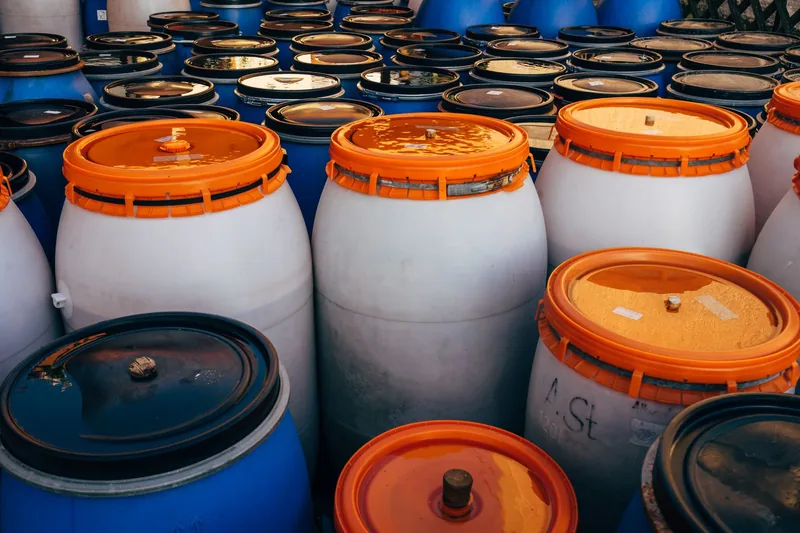
Rules and clearance levels differ by state and local jurisdiction. Confirm which standard applies with the appropriate environmental, health or building authority ahead of cleanup.
Sampling plans, laboratory methods and clearance reports may need to follow a local protocol. Save all records because a buyer, tenant, owner or official might need to see them.
Unknown chemicals and contaminated debris cannot automatically go into household trash. Waste classification and disposal depend on what is found and local rules.
Any infectious debris or needles present with drug items must be managed separately. West Virginia classes waste capable of causing infectious disease as infectious medical waste. The state Department of Health's Office of Environmental Health Services oversees how it is packed, transported and treated, so it cannot go in household trash.
Several workdays may be needed when meth contamination is confined to one area. For an extensive production site, cleanup can continue for several weeks. The schedule is driven more by material removal, testing turnaround, clearance samples and repeat cleaning than by the number of rooms.
The full meth lab cleanup guide covers what is cleaned or removed, odor and air quality work, and the rules that apply in your state.
Read the full meth lab cleanup guideContainment, entry and cleanup plans can be influenced by local housing, population and access details.
With renters in 19.8% of local homes, owner occupied properties form most of the housing context for cleanup planning.
A median build year of 1973 means fluids can pass through carpet or seams and affect padding or subfloor below.
About 73 older residents live alone in Glasgow, representing 32.9% of seniors and making regular welfare checks especially meaningful.
Because 75.5% of local housing is single-family, owners often can make direct decisions about removing affected structural materials.
Ask on the call about cleanup options for neighboring communities and ZIP codes.
Fentanyl decontamination of surfaces, vehicles and rooms after exposure.
See fentanyl decontamination
Rental spaces and properties are cleared of needles, pipes and residue from drugs.
See drug paraphernalia cleanup
Cleanup of a grow house addresses mold, chemicals and harm caused by indoor cultivation.
See marijuana grow house cleanup
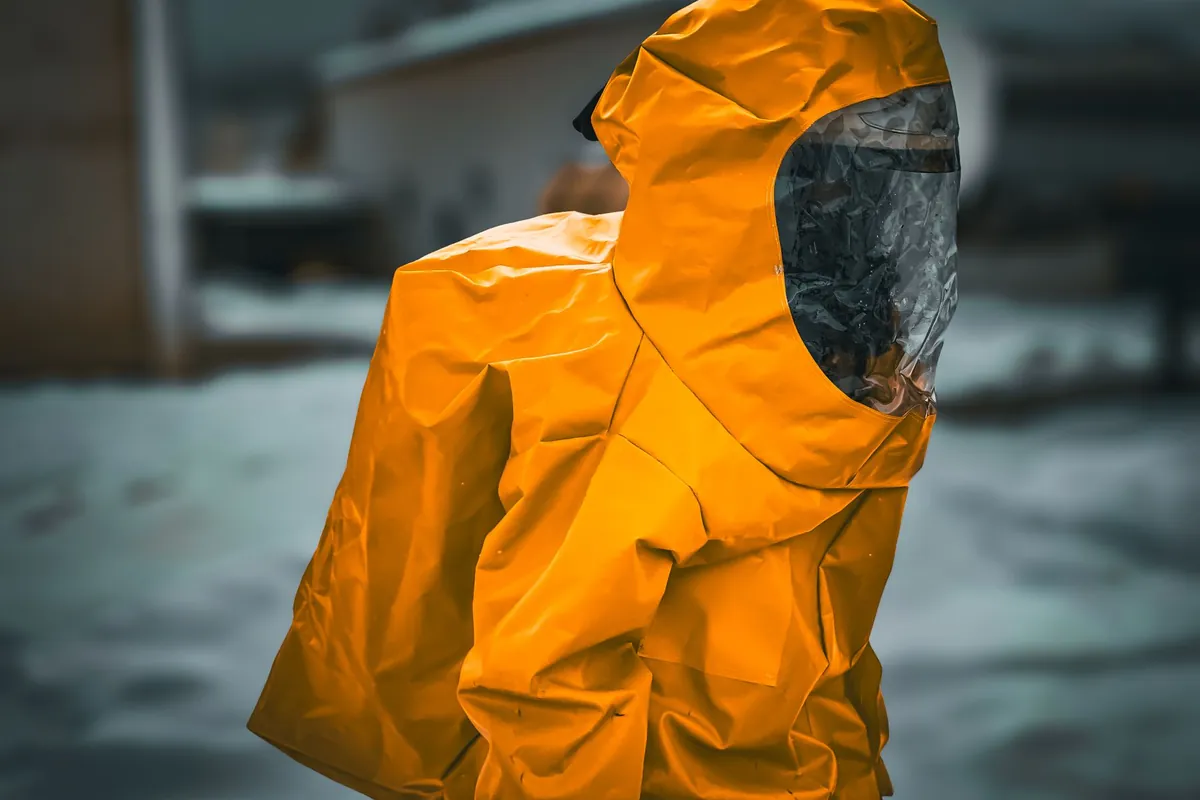
Protective equipment suited to hazardous materials is used during hazmat cleanup.
See hazmat cleanup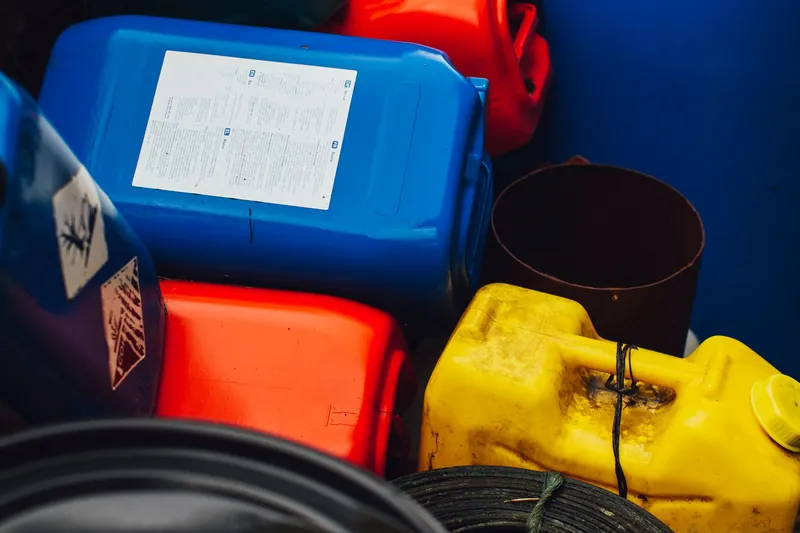
Toxic and chemical waste cleanup includes safe disposal.
See chemical and toxic waste cleanup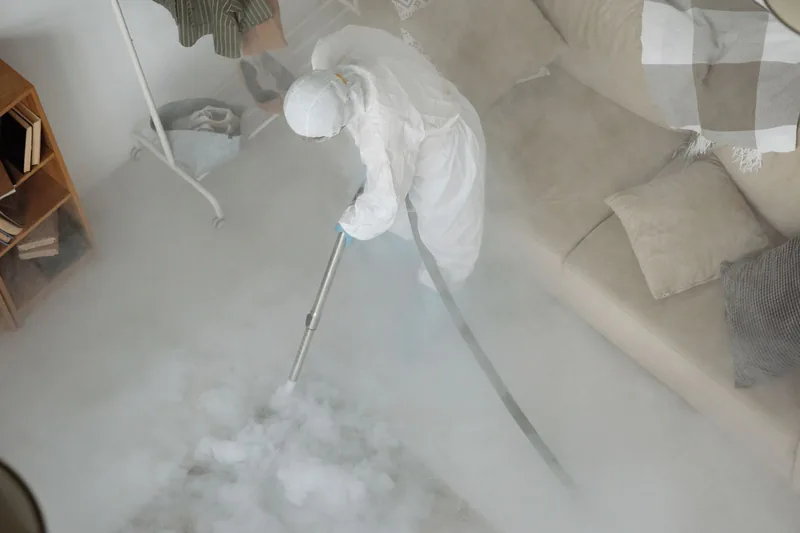
Rooms, surfaces and air receive complete decontamination following infectious or hazardous exposure.
See biohazard decontamination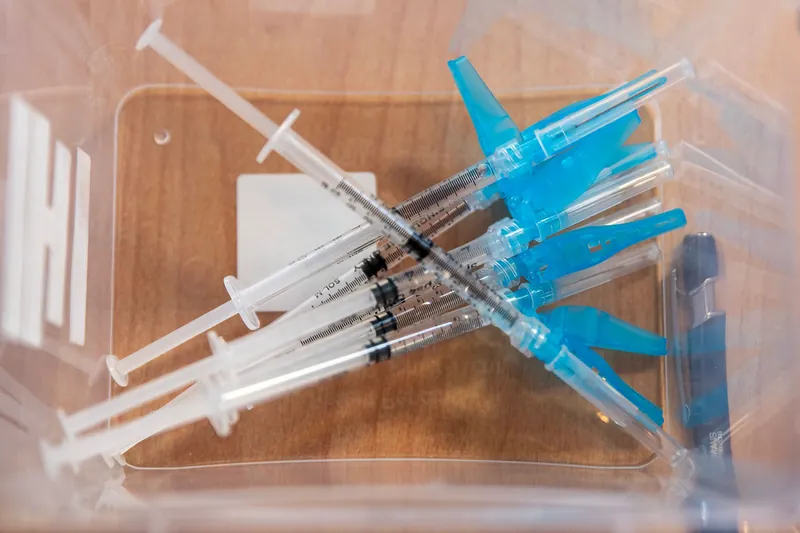
Yards, encampments, parks and rental properties receive needle and sharps cleanup.
See needle and sharps cleanup
Biohazard cleanup addresses Airbnb accommodations, hotels and other rental units.
See hotel, airbnb and rental biohazard cleanupYou should not judge readiness from how the building looks and smells. Before anyone reoccupies the property, follow both your area's applicable standard and the proper public or environmental authority's written recommendation. Post-remediation sampling creates objective evidence and shows whether more cleaning is needed.
PushLeads states a broad $5,000 to $120,000 range and says the typical average is $15,000 to $20,000. The price changes with property size, whether meth was smoked or produced, HVAC contamination, testing, material removal and the number of cleaning or clearance rounds needed.
Coverage depends on the policy, how the contamination occurred and any exclusions for pollution, contamination, criminal acts or vacancy. Contact the insurance company with details of the discovery and ask about coverage for clearance sampling, temporary housing, removed materials, testing and remediation.
Small remediation jobs might require several workdays, but production affecting multiple rooms can extend for several weeks. Schedule factors include laboratory timing, porous material removal, the number of cleaning rounds, HVAC treatment and final sampling. Results exceeding the relevant clearance threshold may require an additional cleanup cycle.
A sharp, solvent-like smell may remain after production, but you cannot use odor alone to prove contamination or clearance. A property can have contamination without a noticeable smell. Avoid containers and leave the area when chemical smells are intense, then follow surface test results and the governing standard.
Consider sampling if law enforcement finds an old lab, trustworthy property documents record drug manufacturing or sound evidence suggests recurring meth use. Chemical staining, unusual containers and strong odors are warning signs, but appearance and smell cannot confirm that a property is clear.
Discreet, respectful meth lab cleanup, 24 hours a day, with crews in unmarked vehicles.